These mild October days are the window. Freeze-thaw has not started prying at the small gaps yet, and the leaves around Springfield are set up to drop fast once they turn. Walk the house from the yard now. A lifted tab or a packed gutter is a smaller job this month than it is in January.
Why does October matter on a Springfield roof?
Monday, October 12, is still warm. The National Weather Service office in Springfield, in its zone forecast at 5:32 a.m. that morning, had Greene County sunny and hot through Tuesday, then showers Wednesday and Thursday. The chance of rain Wednesday was near 100 percent. Friday was forecast much cooler, with highs in the lower 60s and Friday night lows around 40, still above freezing.
The first freeze in the climate record comes later in the month. NOAA's 1991-2020 climate normals for the Springfield WBO station put a first 32 degree reading at about a 3 in 10 chance by October 22, and at about a 50 percent chance by October 27. The Old Farmer's Almanac frost dates for Springfield publish October 22 as that 30 percent mark, from those same normals. A frost-date table for the Springfield WBO station shows October 27 as the median, the date the first freeze has arrived by in about half of years. Treat them as long-term averages for planning this stretch of October.
After nights drop below freezing and days climb back above it, water sitting in a crack freezes, expands, and pries the opening. A shingle tab that is only creased, or a pipe boot with a hairline split, can hold a summer rain and then leak in January.
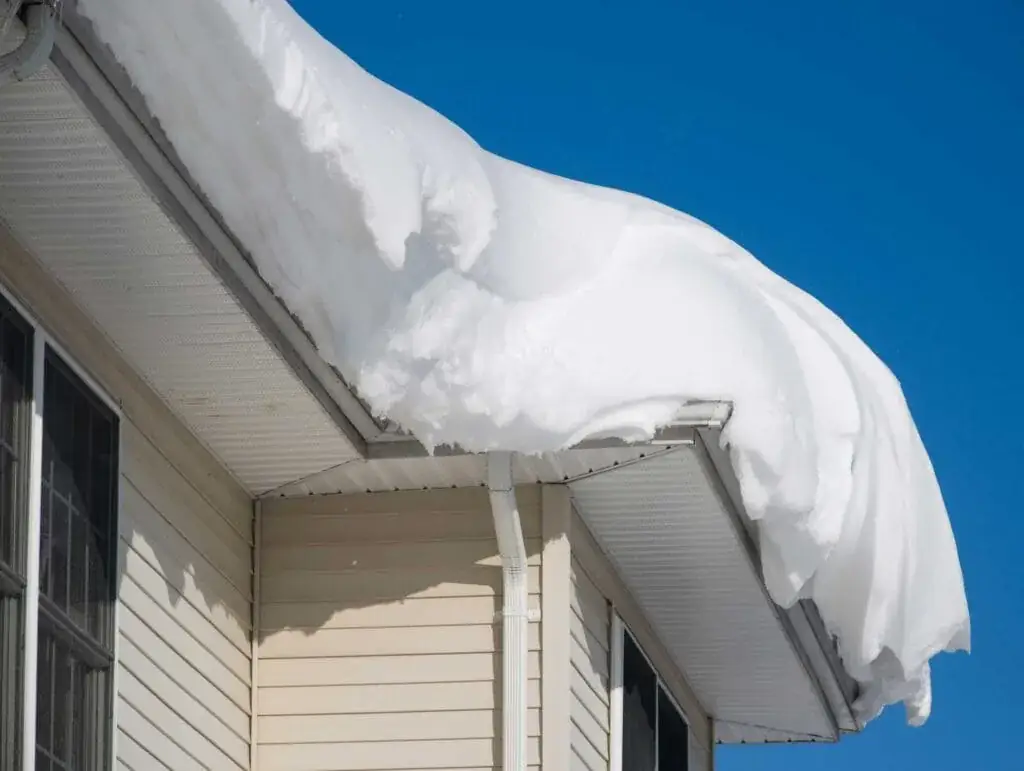
Ice dams are the other winter leak, on houses that hold snow. Snow on the upper roof melts, water runs to the colder overhang, and it refreezes. When that happens over and over, the ice ridge holds water back under the shingles. The Insurance Institute for Business and Home Safety tells owners to keep gutters, downspouts, and drains free of debris, and to insulate and seal attic penetrations so less heat reaches the roof deck. Their winter home checklist is the short version: insulation, ventilation, and the hatch and other openings into the attic.
Leaves are the October half of the gutter job. KY3 reported on September 30 that foresters with the Missouri Department of Conservation expect this year's color, if it shows, to pass quickly. Their read is that leaves may go from green to brown and then drop fast, after late heat and dry weather stressed the trees and squeezed the usual mid-to-late October color window. Springfield Daily News followed on October 9: extreme drought is expected to mean thinner foliage across southern Missouri and northwest Arkansas, even with rain later in the month. A gutter that is empty on a 90 degree Monday can be full before that first-freeze window.
What should you check from the ground?
Stay off the roof for this pass. A steep pitch and wet shingles are a bad combination, and boots scuff granules so the surface looks worse than it is. Daylight, a slow walk around the house, and a pair of binoculars will show you the items below.
- Gutters and downspouts. Look for leaves, seed pods, and last year's grit packed at the corners. Check the elbows and the seams for splits, and the trough for dents. Soft metal from the April hail can be crushed enough that water will not flow even after the leaves are gone. Overflow that stains the fascia, or a downspout that dumps at the foundation, is the tell. If the gutter is low and the ladder feels solid on firm, dry ground, you can clear it. If the gutter is high, the ladder feels wrong, or the metal is crushed, that is a gutter repair, not a Saturday project.
- Shingles. From the yard, look for tabs that are missing, lifted, or creased. A crease is a fold across the tab. It can lie back down and still be open. Granules in the gutter, or where a downspout dumps, look like coarse, dark sand. A little on an older roof is normal wear. A heavy fresh pile means the coating is gone in spots.
- Flashing. Chimney, pipe boots, box vents, and the valleys. From the ground you can often see metal that has pulled away from the brick, a boot that is split, or a valley full of debris. You do not have to be on the roof to notice a gap.
- Soft metal dents. Gutter lips, downspout elbows, a flue cap, air conditioner fins. Dents from the April 28 hail are a reason to look closer at the shingles, which we covered in how to tell if hail damaged your Springfield roof. Dents prove the house was hit. They do not, on their own, mean every slope has to be replaced. If you want that closer look, it is the same storm damage inspection we do the week of a storm.
- The attic, after this week's rain. Wednesday and Thursday are the test. When the rain is done, look for a new stain on the boards, a damp patch in the insulation, or a pin of daylight. A stain means water already got in. No stain does not clear the roof. It only means nothing has come through yet.
When does a small fall issue become a winter leak?
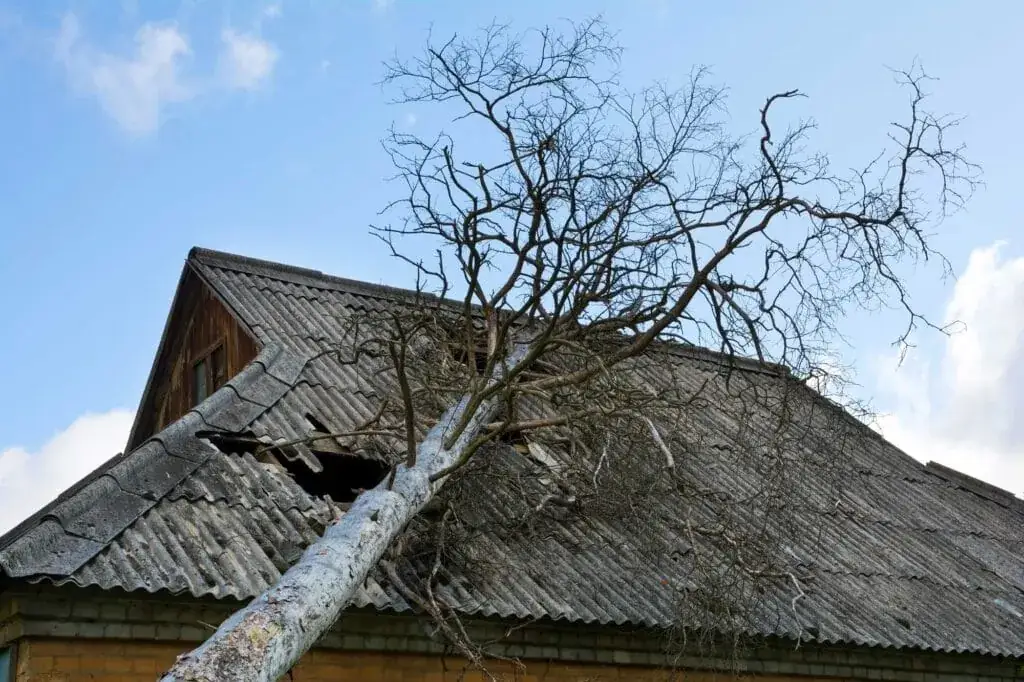
Freeze-thaw is patient. A gap that is dry in October holds a little water in a cold rain. That water freezes overnight and widens the gap. The next thaw lets more water in. By the time a ceiling stain shows up, the deck at that spot may be soft, and a repair that would have been a shingle turns into wood.
A blocked gutter does the same work from the edge. Water that should leave the roof sits in the trough, soaks the fascia, and backs up under the first course of shingles. That is why the IBHS checklist puts debris in the gutters on the winter list.
On a low-slope commercial roof, the matching check is the drains and the seams around them. Standing water that freezes at a drain is the flat-roof version of a packed gutter. The commercial roof maintenance page is the longer version of that walk.
Should you repair it, wait, or replace the roof?
A blog post is the wrong place for a price. The right scope depends on what the rest of the roof is doing.
Repair when the rest of the roof is sound. A few lifted tabs, a cracked pipe boot, a short run of bad flashing, a gutter that will not drain. Mild fall weather is the better time for that work. A shingle's seal strip, and a bead of sealant, grab when the deck is warm and dry. Deep cold is a harder day to make a patch stick, and a harder day to work safely. If that is the scope, it is a roof repair.
Wait when the roof is doing its job. Light granule loss on an older slope, clean metal, a dry attic, and gutters that drain are not an emergency. We would rather say so than sell a roof.
Replace when the field is tired across a whole slope. Curled tabs, coating gone over big areas, soft deck, or patches stacked on patches. A winter of ice on that roof usually means more wood than a fall replacement would have. If April hail is still an open question, start with the storm damage walk and decide from the photos.
Questions we hear before the first freeze
Can I check the roof myself?
Yes, from the ground. Binoculars help on the chimney and the ridge. Climbing a steep roof, or a wet one, is how people get hurt. Leave that part to a crew with the right anchors.
The gutters look empty. Can I wait on them?
Not if the trees over the house are still green. The September 30 KY3 report is that those leaves may brown and fall fast. An empty gutter this week can be packed before the first-freeze odds pick up in late October. Clean what you can reach safely. Call for the rest.
April's hail never leaked. Can I skip the winter check?
No. A bruise can hold weather until freeze-thaw opens an edge. No leak is good news. It is not a clean report. The hail post walks through the bruise. This check is the rest of it: gutters, flashing, and the attic after a rain.
Once nights drop below freezing, is it too late to fix anything?
Not for a leak. Water in the house still has to be stopped. What gets harder is sealing a shingle or a flashing joint when the deck is cold and wet. If you can see the problem in this mild stretch, October is the easier month.
If you want a second set of eyes on the roof, call Titan Roofing at (417) 815-4833 and ask for an inspection. We will tell you what we see, including when the honest answer is that this roof can wait until spring. You can also send a note and we will call you back.

Titan Roofing is a family-owned roofing company serving Springfield, Kansas City, Columbia and the surrounding Missouri communities with residential and commercial roof repair, replacement, gutters and siding. Questions about your roof? Ask us, or call (417) 815-4833.